Three-tab shingles
A flatter, regularly spaced pattern gives the roof a uniform appearance. Match the exact product and installation requirements when comparing it with a laminated option.
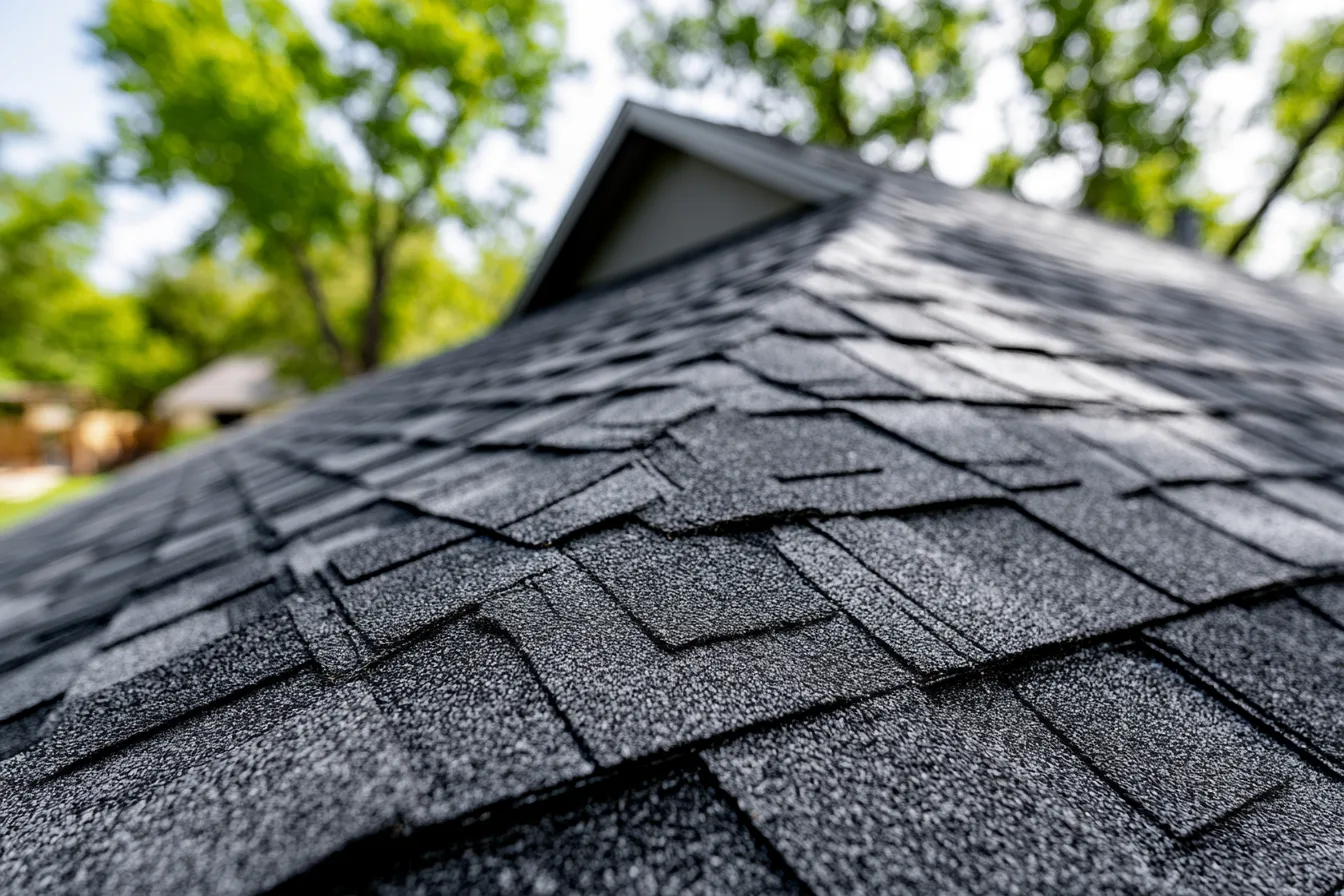
Choose a shingle roof with the look and details that suit your home. Request a free inspection to connect those choices with the condition of your roof.
A shingle choice affects more than the color of the roof. Three-tab strips and laminated products have different profiles, and the dimensions and fastening pattern matter when a repair ties into existing courses. For a full replacement, compare the named product and complete assembly rather than treating a category label as a specification.
Consider the product tests and written terms alongside the starter, ridge cap, underlayment and flashing. Roof geometry and installation requirements affect how those pieces work together. For a visible material or color change, confirm the current association requirements that apply to your property before ordering.
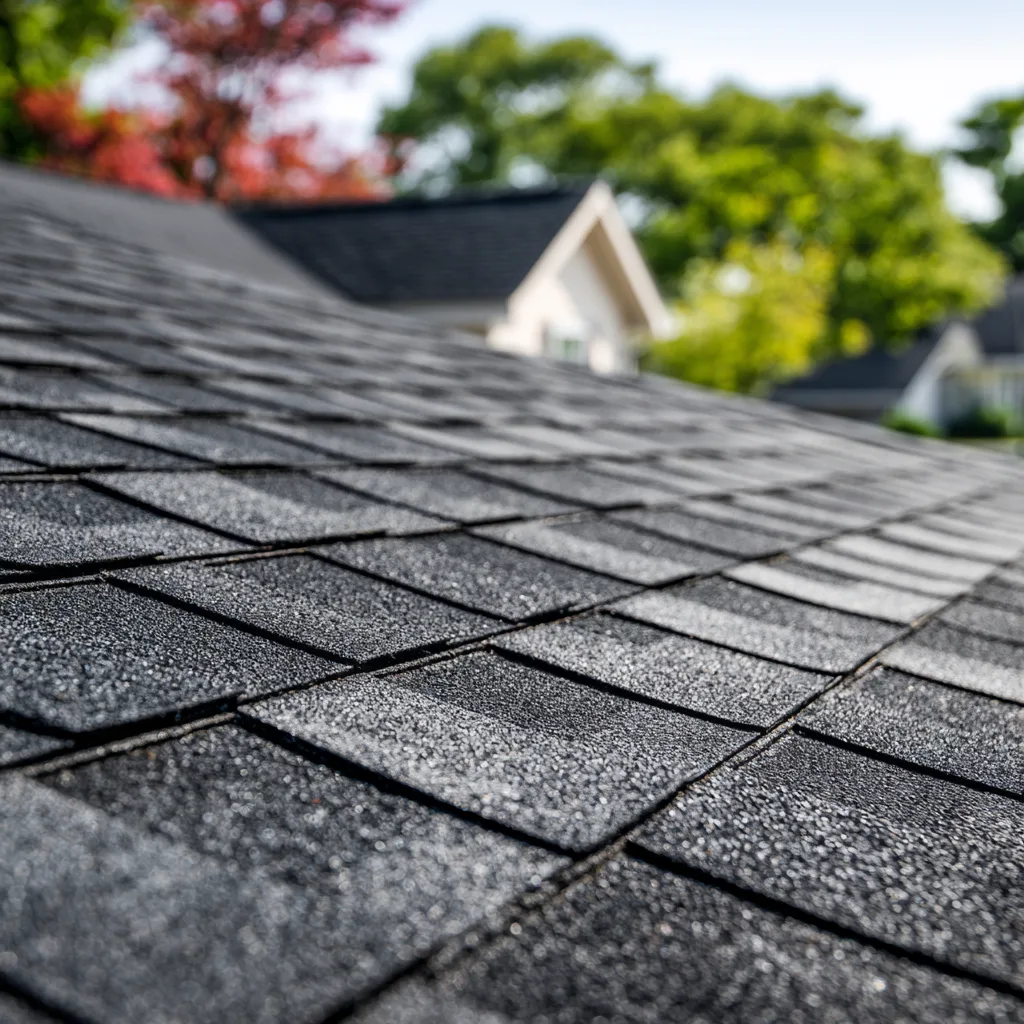
A flatter, regularly spaced pattern gives the roof a uniform appearance. Match the exact product and installation requirements when comparing it with a laminated option.
Laminated layers create a more dimensional profile. Product weight, ratings, color blend and warranty terms vary; “architectural” does not identify one specification.
Heavier visual shapes can echo slate or wood-shake patterns. Confirm the exact product, accessory details and installation requirements rather than assuming appearance changes are the only difference.
For one manufacturer example, review GAF’s Class 4 explanation. Product-specific terms govern the actual selection.
Water crosses more than the field of shingles. Valleys carry concentrated runoff, roof-to-wall flashing handles a change in plane, and ridge caps close the roof at its high points. Those parts should be named in the scope.
Ventilation is another system decision. Adding exhaust without checking the intake path is not the same as assessing the attic arrangement. Discuss the existing condition and the manufacturer’s requirements with the replacement plan.
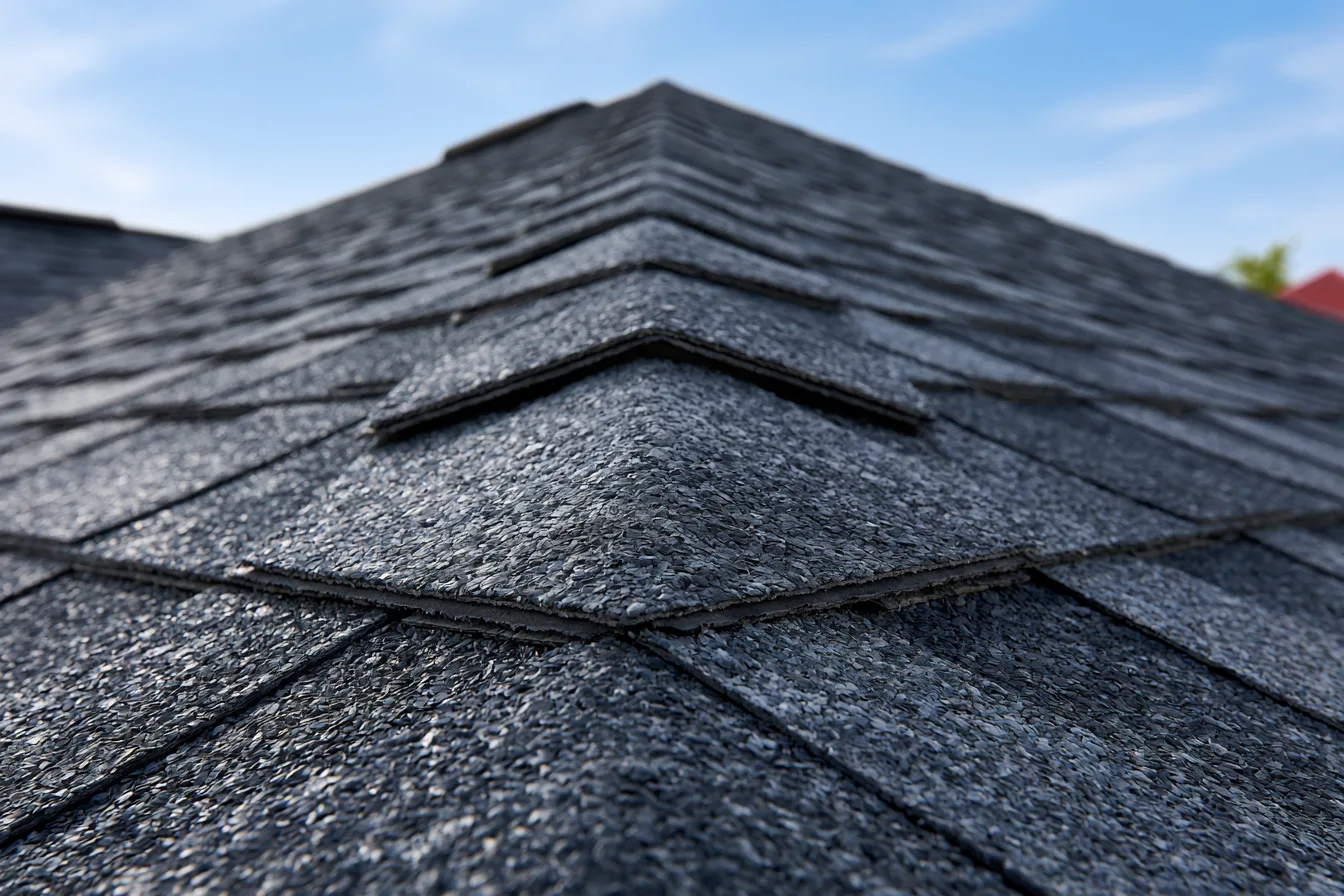
A matching product or color may be discontinued, and an older roof can weather differently from new material. Ask about available matches and what the finished repair is likely to look like before authorizing it.
Some insurers may offer a credit for eligible products, but it depends on the policy and their requirements. Ask the insurer before counting a discount in the project budget.
The warranty guide explains issuer, coverage, exclusions and the documents to request. Read the exact terms for the selected product and contractor workmanship promise separately.
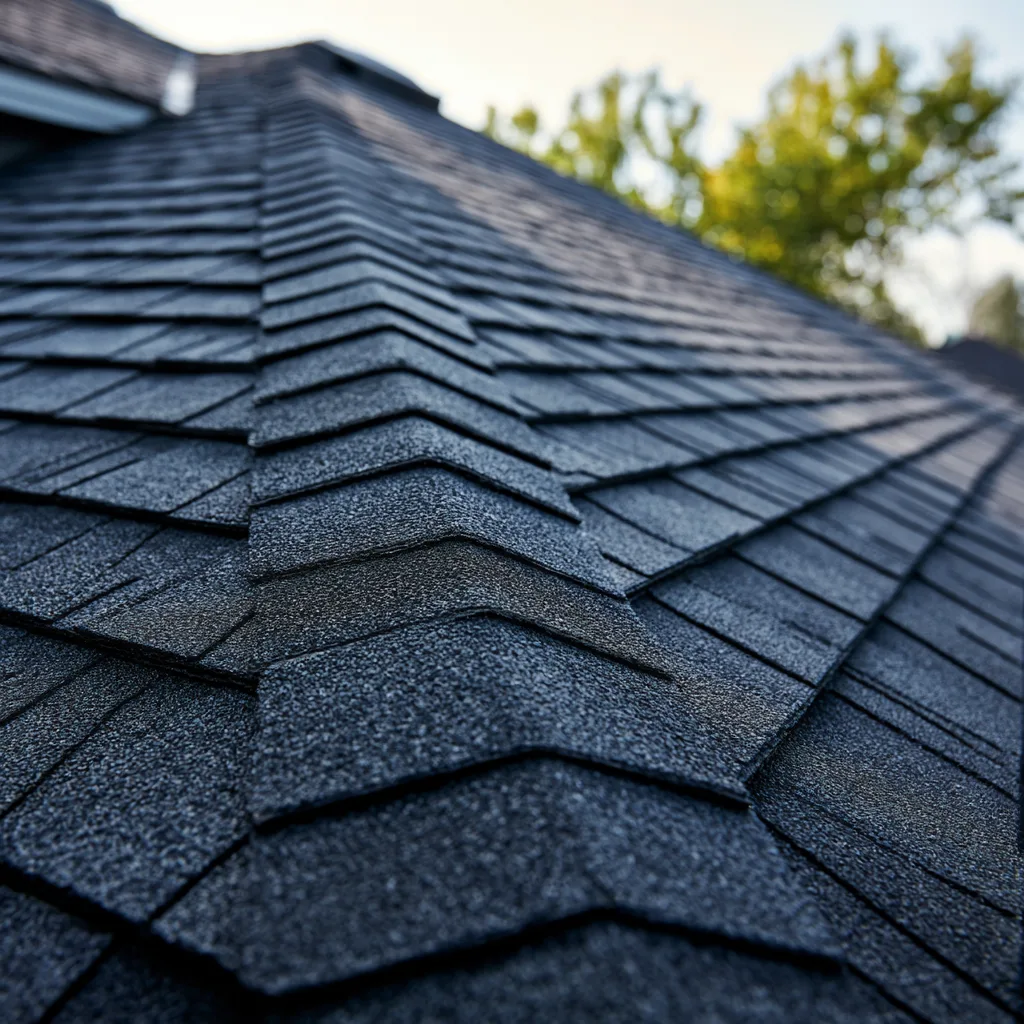
Bring your material questions to a free inspection conversation. Start with the existing roof, then compare the shingle choices.