Tear-off and existing layers
Removing the existing covering exposes the deck and old flashing connections. The number of layers affects debris, labor and the time spent opening the roof.
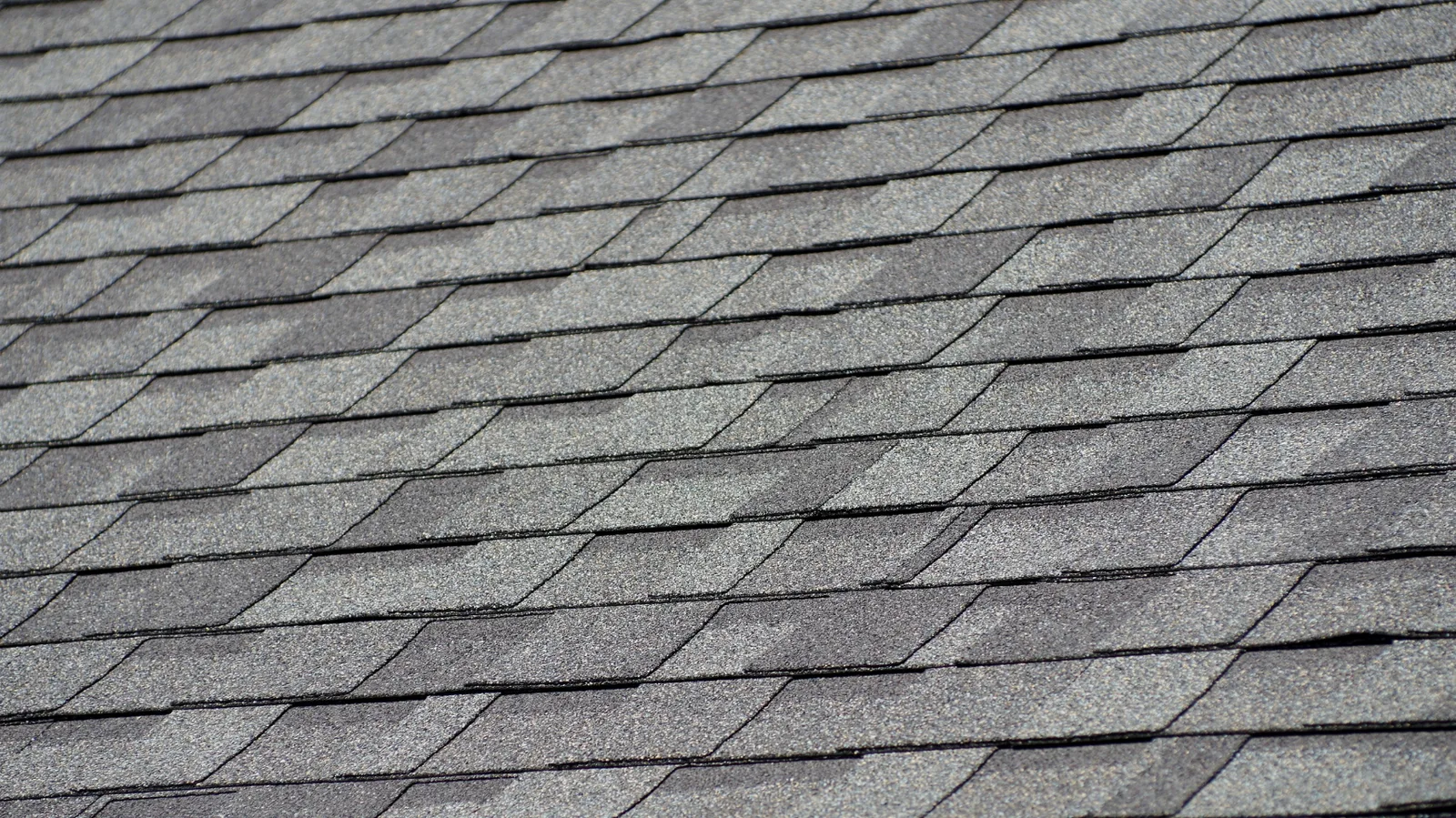
Replacing your roof starts with understanding what needs work. Get a free roof inspection in Forney, then explore the materials, roof details and replacement scope that fit your home.
A new roof should solve the problems underneath the old shingles as well as improve the way the house looks. Roof replacement brings the covering, decking, flashing and ventilation into one project, so a worn-out detail does not remain hidden under new material.
Forney Roofing Co helps you start with the roof you actually have. A free inspection gives a roofer a closer look at the worn areas, earlier repairs and places where water gets in. If a sound repair will address the problem, replacement is not the only option.
For a roof that needs replacing, the next step is a complete scope: the roof areas involved, the material going back on and the work needed at the edges and penetrations. Those details explain the project and its price.

One leak does not automatically mean a new roof. Replacement becomes the stronger option when deterioration extends beyond a detail that can be repaired.
Roof age helps frame the conversation, but condition decides the work. For an isolated leak, our roof repair service starts with the entry point and the surrounding material.
Shingles are the visible finish. A replacement also has to handle the supporting deck and the details that move rain past walls, valleys and roof edges.
Removing the existing covering exposes the deck and old flashing connections. The number of layers affects debris, labor and the time spent opening the roof.
Sound decking can stay. Soft, damaged or unsuitable sections need repair before new roofing is attached. Some concealed damage only becomes visible during tear-off, which is why deck work needs a defined place in the project.
Underlayment provides protection beneath the covering. Valleys concentrate runoff, so the membrane and flashing details there have to suit the slope and the chosen roof system.
Pipe boots, wall connections, chimneys and drip edges interrupt the main roof surface. Each needs an appropriate connection to the new roof; covering over a failed joint leaves a route for water.
Intake and exhaust work together. A new ridge vent does not fix blocked intake at the eaves. Ridge caps, starter strips and ventilation belong in the assembly alongside the field shingles.
Material delivery, tear-off debris and access affect the property while work is underway. The work plan accounts for the driveway, planting beds, attached structures and removal of roofing waste.
A complete roof plan makes the boundaries of the work understandable before the old covering comes off.
An attached garage, porch or detached building may have a different covering or slope. Identifying those areas separately keeps a house-roof project from leaving a troublesome transition unexplained.
The replacement scope separates known repairs from concealed conditions. If tear-off exposes additional damage, its extent changes the material and labor needed before the roof can be closed.
Product coverage and workmanship coverage come from different issuers. Our roof warranty guide explains the distinction, exclusions and records that matter after the project.
The order matters: understand the roof, prepare the supporting layers, then install the new system.
A roofer walks the roof when conditions allow, assesses the damaged and serviceable areas, and develops the replacement scope. Roof measurements, material choices and access shape the project.
The old covering comes off. Exposed decking can be evaluated, damaged sections repaired and the flashing and underlayment details prepared for the selected system.
The covering, edges, penetrations and ventilation are completed as one roof assembly. Cleanup and the final review follow the installation. Weather, roof size and concealed repairs affect the schedule.
Roof size, material and the condition underneath the covering drive the budget. A house’s floor area is not its roof area: slope, overhangs, garages and intersecting roof planes change the amount of roofing needed.
Tear-off layers, difficult access and concealed decking repairs also affect the work. That is why a project price needs an inspection and measurements, rather than a total based on the address or the home’s square footage alone.
The roof cost guide explains these work items in more detail.
Explore roofing cost factorsThe roof inspection establishes the condition behind the price. Requesting the free visit does not commit you to a replacement.
No. Age is background information. The inspection checks whether the covering and its details still function, whether a repair can connect to sound material and how far any deterioration extends.
A recover depends on the existing layers, deck condition, structural limits, manufacturer instructions and applicable requirements. It leaves less of the deck visible and does not remove concealed damage. Those limitations have to be resolved before a recover is a suitable option.
Not automatically. Sound, suitable decking can remain. Damaged sections need repair before the new roofing goes on, and tear-off can expose conditions that were hidden during the first inspection.
The schedule depends on roof area, pitch, material, access, weather and the deck repairs found during removal. A straightforward roof and a complicated roof with concealed damage need different plans. The property-specific schedule is established with the contractor handling the work.
The material manufacturer’s coverage and any contractor workmanship coverage are separate. Their terms depend on the product, installation and issuer. The roof warranty guide explains what each covers.
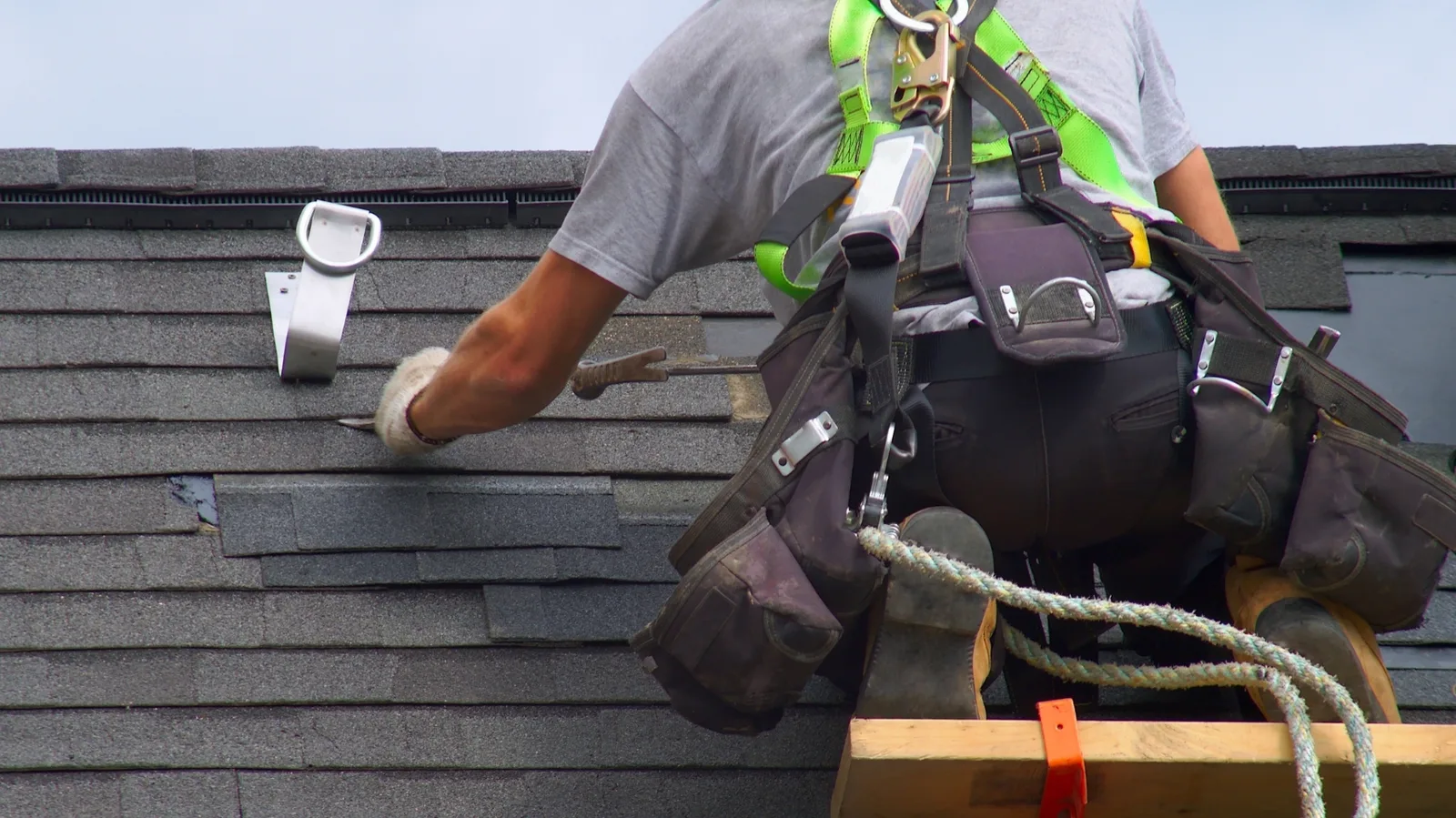
Tell us what has changed with your roof. A free inspection starts with its condition, so you can understand whether a repair will address the problem or a complete replacement makes sense for your home.