Debris and blocked outlets
Leaves and other debris can interrupt an otherwise usable system. Guards may reduce some debris but do not eliminate the need to check outlets and drainage.
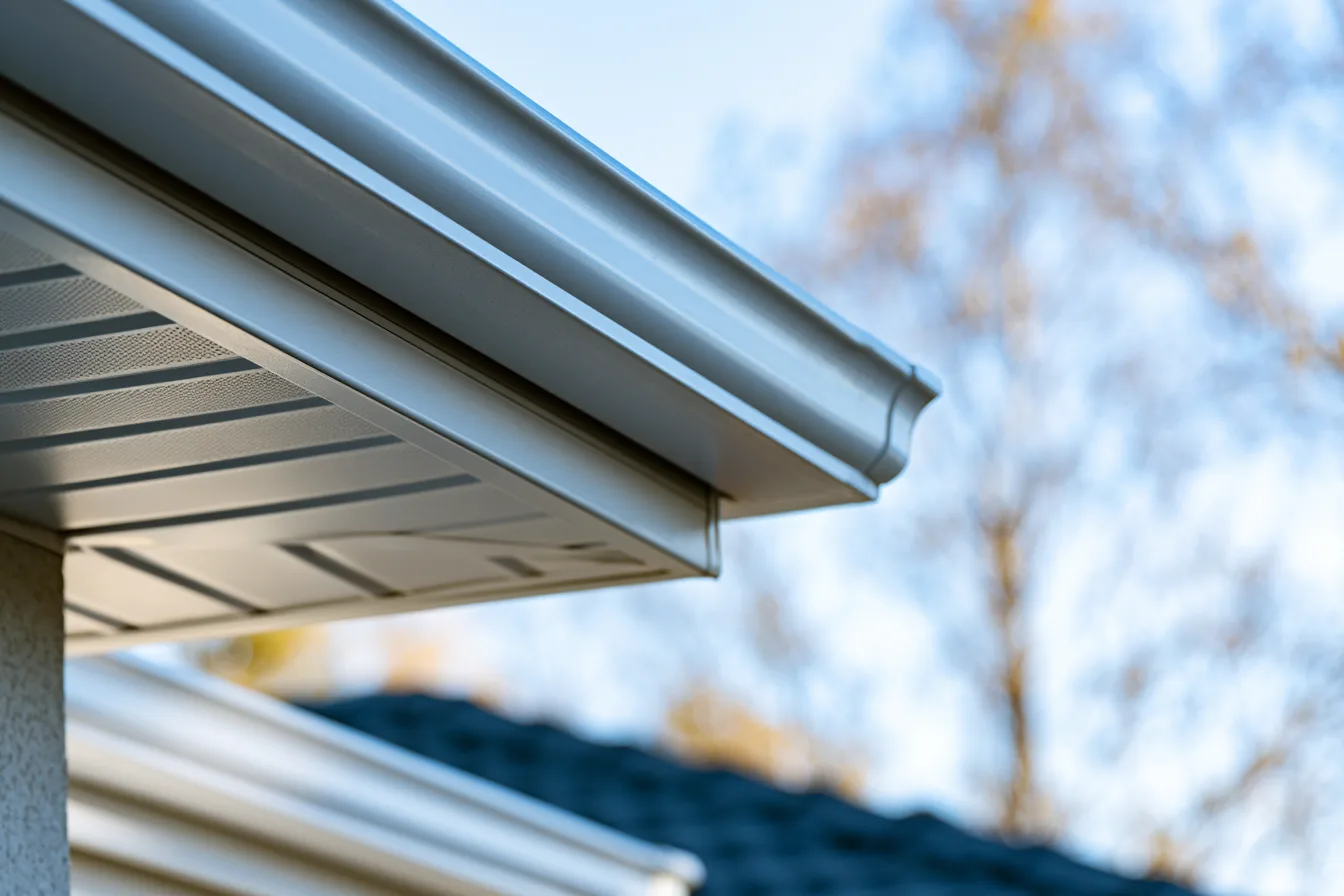
Overflowing gutters, wet fascia or runoff in the wrong place? Start by following the water from the roof edge to its discharge point.
A roof can shed water correctly while the gutter below it overflows. A blocked outlet, a sagging run or concentrated runoff from a valley can all send water over the edge. Each calls for a different correction.
The downspout is only part of the route. The discharge location matters too, especially beside walks, planted beds or other surfaces that send water back toward the building. Gutter work should consider that path without promising to solve unrelated grading or foundation problems.
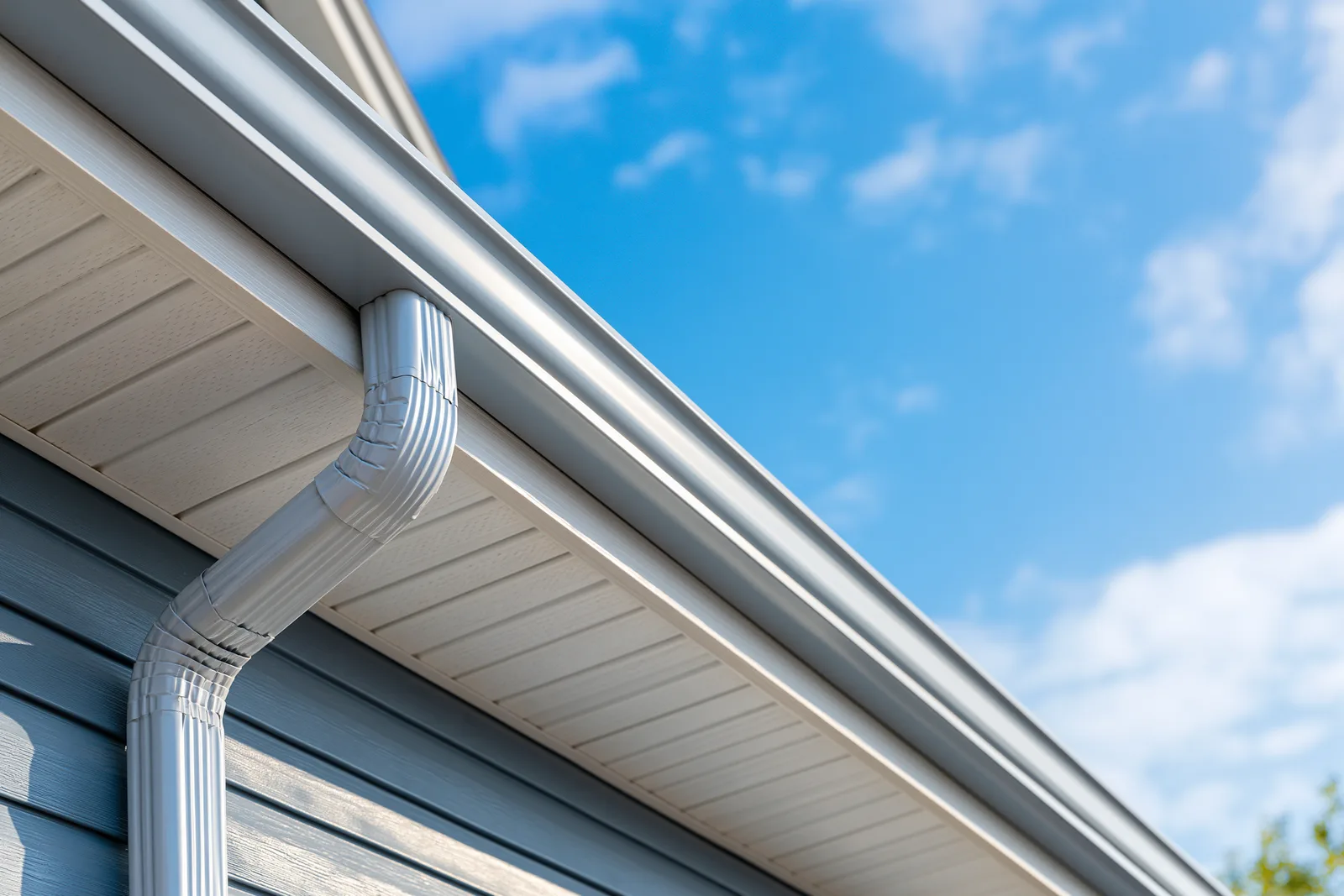
Leaves and other debris can interrupt an otherwise usable system. Guards may reduce some debris but do not eliminate the need to check outlets and drainage.
Standing water in a run, sagging sections or loose hangers may indicate alignment or support problems. Fascia condition matters before the gutter is reattached.
A large roof area or valley can deliver more water to one location. Size, outlet placement and downspout arrangement need to match the roof layout.
Roof-edge metal, fascia and gutters meet in a small space with a large job. If the roof is being replaced, identify any damaged fascia and discuss the edge detail before the gutter work is finalized.
A new gutter does not correct water getting behind poorly arranged edge metal. Ask how the roof covering, drip edge and gutter will work together, and whether removal or reinstallation is included in the roof proposal.
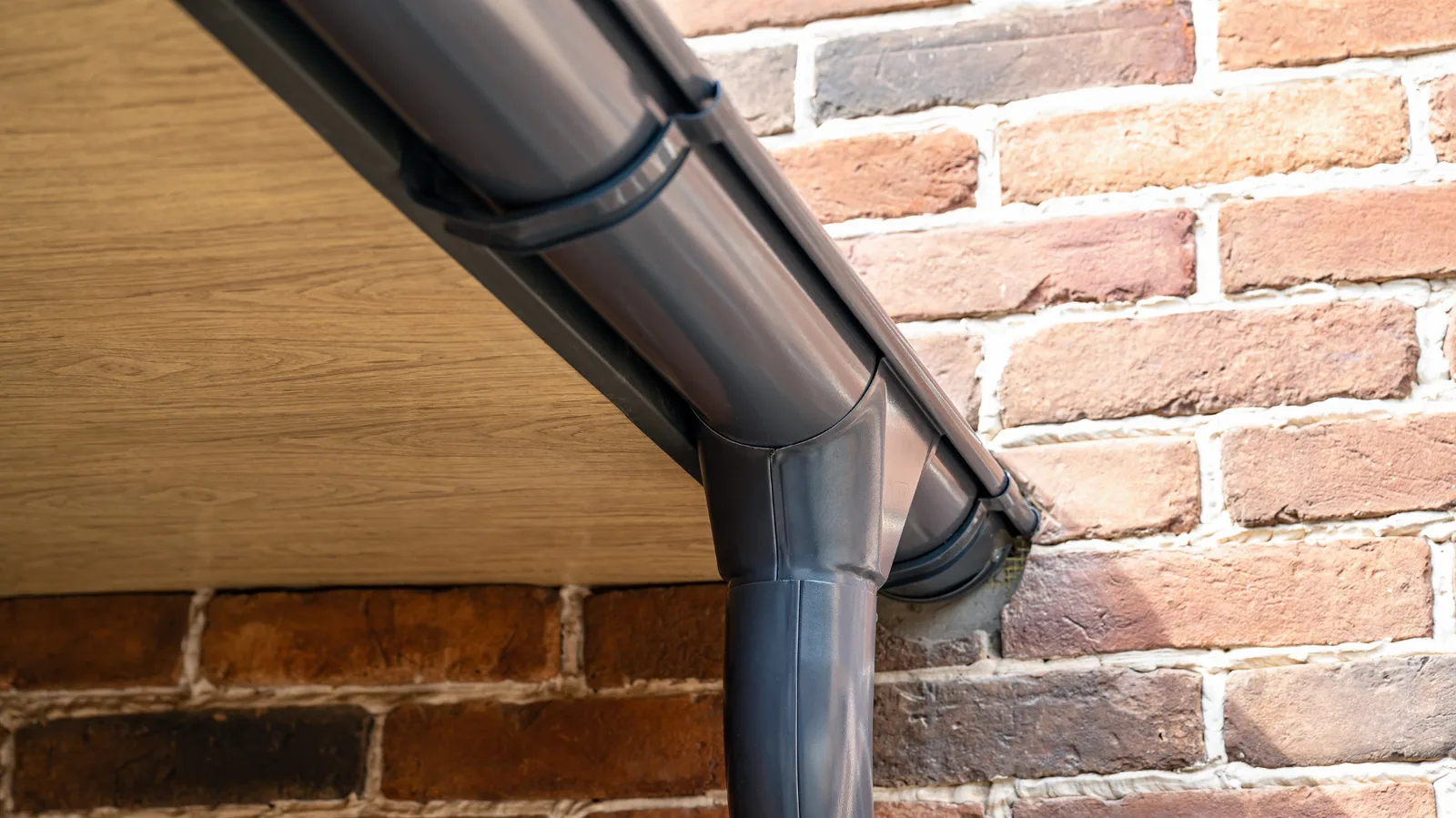
Describe the overflowing corner or valley and whether the problem appears in every rain or only heavier downpours.
Review debris, slope, attachment and the connection to the downspout rather than replacing parts by appearance alone.
Consider where the water goes after the downspout. Ground drainage work may require a separate scope.
No. A guard does not correct insufficient outlet capacity, a poorly pitched run, a loose attachment or an unsuitable discharge location. Choose it as one part of the drainage plan.
Not necessarily. Overflow and roof leakage can be separate problems, although water at the roof edge may affect fascia or adjoining details. Describe both indoor symptoms and outdoor observations.
A gutter needs sound support. Damaged fascia should be assessed before new attachment, and any wood repair should be clearly included or excluded from the proposal.

Tell us where the water spills or collects. A roof and drainage conversation can help identify the work to consider.