Pipe boots and penetrations
The seal around a vent pipe can split or separate as it ages. A repair needs to address the boot and its connection to the covering, not just the visible crack.
A small leak still deserves a clear answer. Tell Forney Roofing Co where you noticed water or roof damage, and request a free inspection to discuss the repair.
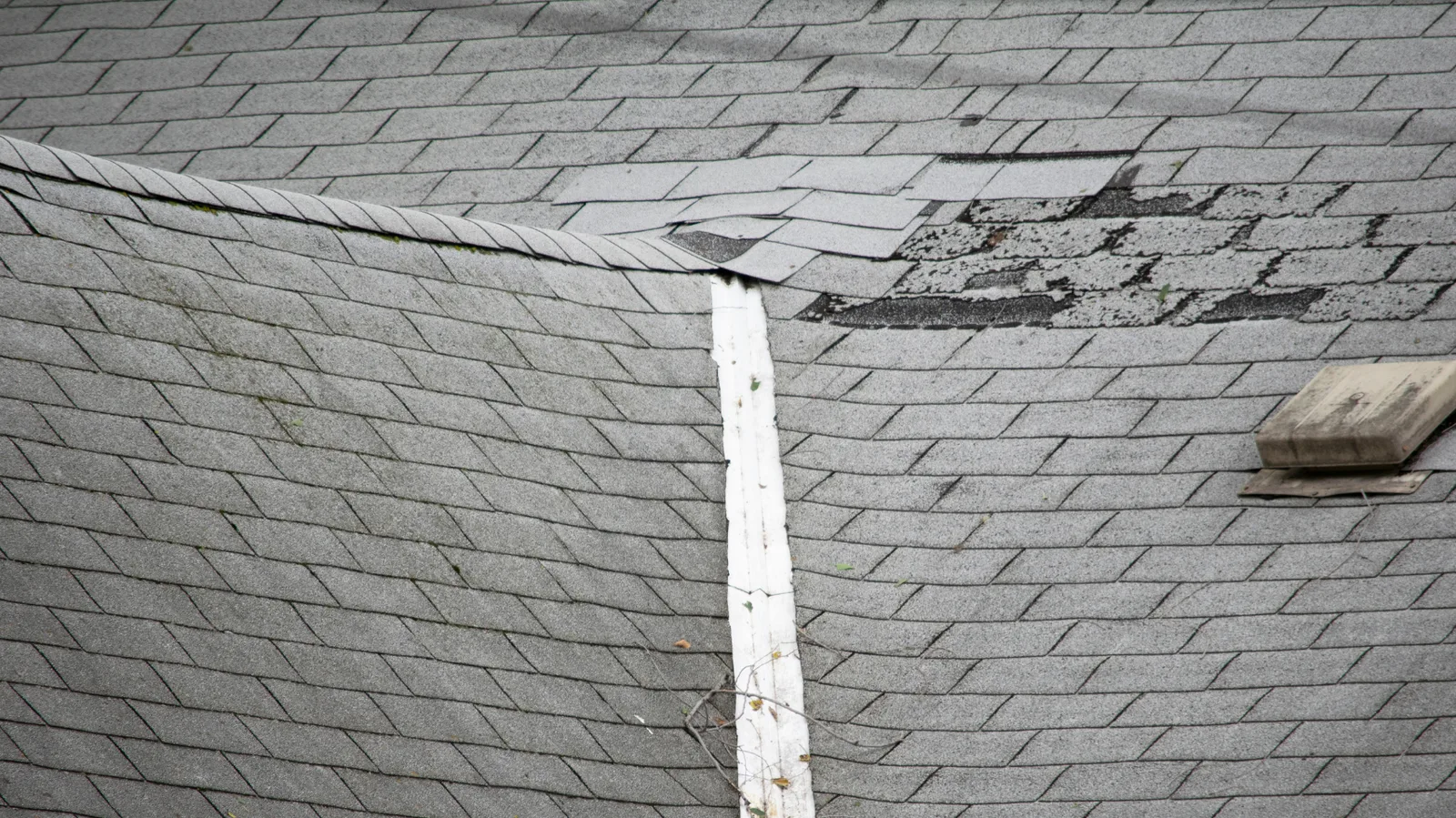
Water can travel along roof decking or framing before it reaches the ceiling. The stain above a room may be below the leak, but it may also be several feet from the entry point. Covering the stain or patching directly above it can leave the original problem in place.
The useful repair question is where water gets through the roof assembly. That can mean checking a torn pipe boot, a flashing joint, a damaged shingle or a valley that carries runoff from more than one roof plane. The condition around that detail determines how the repair can tie back into the roof.
Mention when the leak appears, whether wind seems to matter and whether the same area has been repaired before. Those observations give the inspection a starting point without asking you to diagnose the roof.
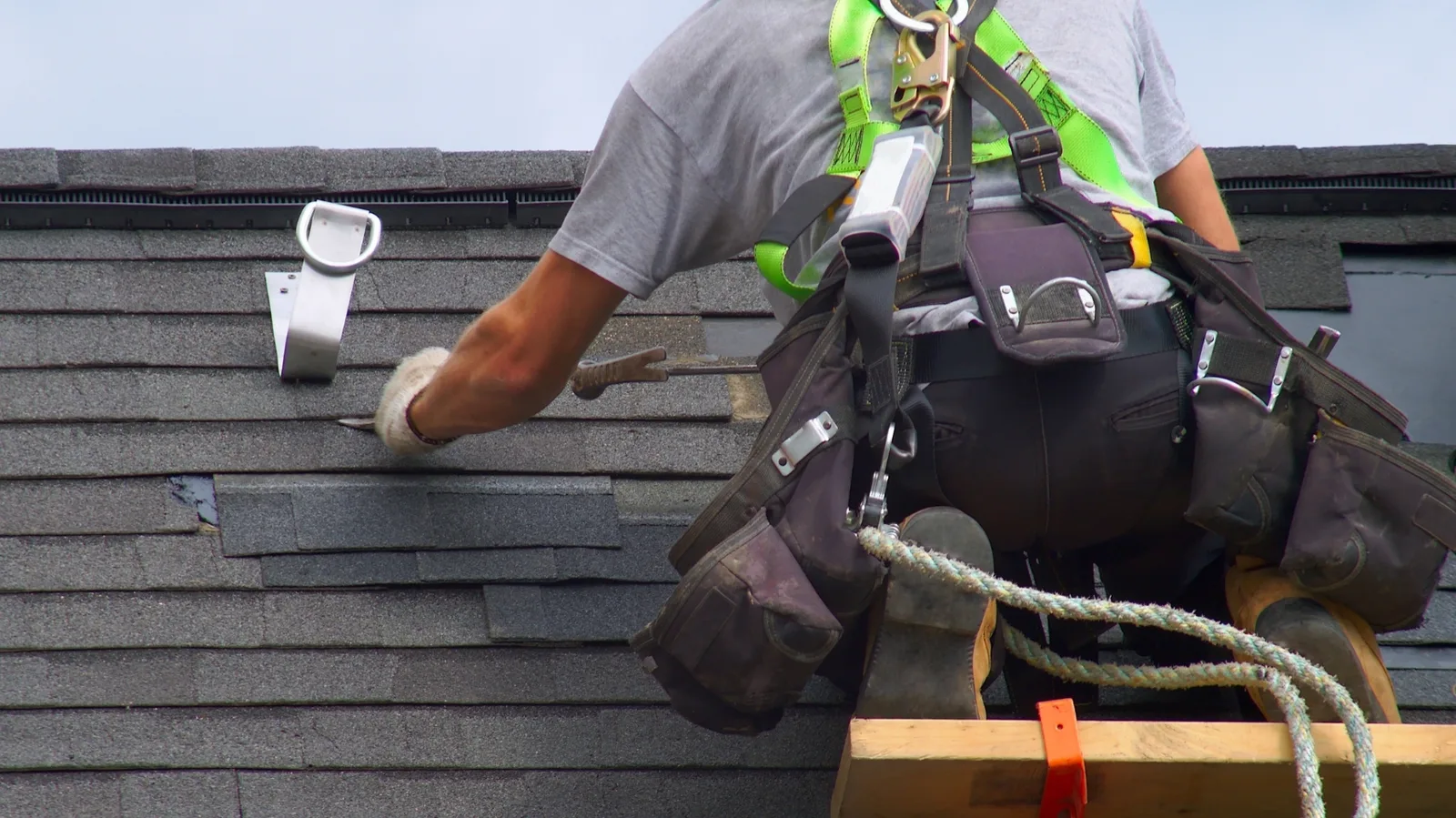
Different entry points need different work. A proposal should identify the affected detail and explain how it will be opened, repaired and connected to the surrounding roof.
The seal around a vent pipe can split or separate as it ages. A repair needs to address the boot and its connection to the covering, not just the visible crack.
Water running down a wall must be directed back onto the roof. Loose counterflashing or poorly connected step flashing can let it enter behind the shingles.
A valley concentrates runoff. Debris, damaged lining or a faulty transition can send water beneath nearby materials, especially during a heavier rain.
Replacing the visible pieces also means checking their fastening and the exposed layer below. A good tie-in depends on usable surrounding shingles.
A small repair area can sit within a roof that is otherwise serviceable. It can also expose a roof that will not tolerate more patching. These conditions deserve a direct conversation before work starts.
Protect the interior only where it is safe to do so. Avoid climbing onto a wet or damaged roof to investigate.
For an immediate threat to life, electrical safety or structural stability, leave the affected area and use the appropriate emergency service. This website does not promise emergency dispatch.
Ask which detail appears to have failed and what evidence connects it to the interior symptom.
The repair should explain the covering, flashing or damaged substrate being replaced, including how new material joins the old.
A targeted repair is not renewal of the entire roof. Ask about neighboring wear, concealed damage and any follow-up if the symptom returns.
No. A localized failed detail can sometimes be repaired within an otherwise sound roof. The condition around the repair, the underlying material and the pattern of previous leaks matter more than the size of the ceiling stain.
A roof inspection helps establish which scope is reasonable.
Sealant can be part of a specified repair, but it cannot replace missing flashing, failed material or a proper water-shedding connection. Ask what caused the opening and whether the proposed work addresses that cause.
Tell the roofer about the direction and timing if you know them. Wind can push rain toward openings that do not show up in a light, straight-down rain. That history helps focus the inspection, but it does not identify the failed detail by itself.

Tell us where the stain, drip or visible roof problem appeared. Request a free inspection and discuss what a repair needs to cover.